

Preserve your charcoal drawing with these proven methods represents a vital topic in tattoo art and body modification. This comprehensive guide details core techniques, anatomical considerations, aftercare safety standards, and practical recommendations for both enthusiasts and practitioners.
Essential Guide: Preserve Your Charcoal Drawing With These Proven Methods
Understanding the key factors, clinical standards, and artistic parameters of preserve your charcoal drawing with these proven methods ensures optimal results and safety:
| Evaluation Criteria | Standard Practice | Safety / Technical Factor | Expert Recommendation |
|---|---|---|---|
| Core Methodology | Professional hygienic protocol | Dermal barrier integrity | Strict adherence to clinical standards |
| Anatomical Placement | Optimal low-mobility zone | Tissue elasticity & blood flow | Custom alignment with body contours |
| Recovery & Longevity | Structured aftercare routine | Moisture balance & hygiene | Consistent daily maintenance |
Step-by-Step Technical Overview for Preserve Your Charcoal Drawing With These Proven Methods
- Preparation & Consultation: Review medical history, skin sensitivities, and design requirements thoroughly before proceeding.
- Execution & Precision: Maintain steady technique, appropriate depth control, and sterile working field dynamics throughout the process.
- Post-Procedure Care: Follow evidence-based healing protocols, keeping the area clean, protected, and properly moisturized.
Charcoal drawings can capture the depth of emotion and dimension like no other medium, but preserving them is often a challenge. If you want to ensure that your charcoal masterpiece remains vibrant and intact for years to come, you’ve come to the right place. In this article, we’ll explore proven methods to preserve your charcoal drawing, allowing your creative expression to thrive while safeguarding it from the elements. Whether you’re a seasoned artist or just starting out, these expert tips will empower you to protect your artwork and keep your passion alive.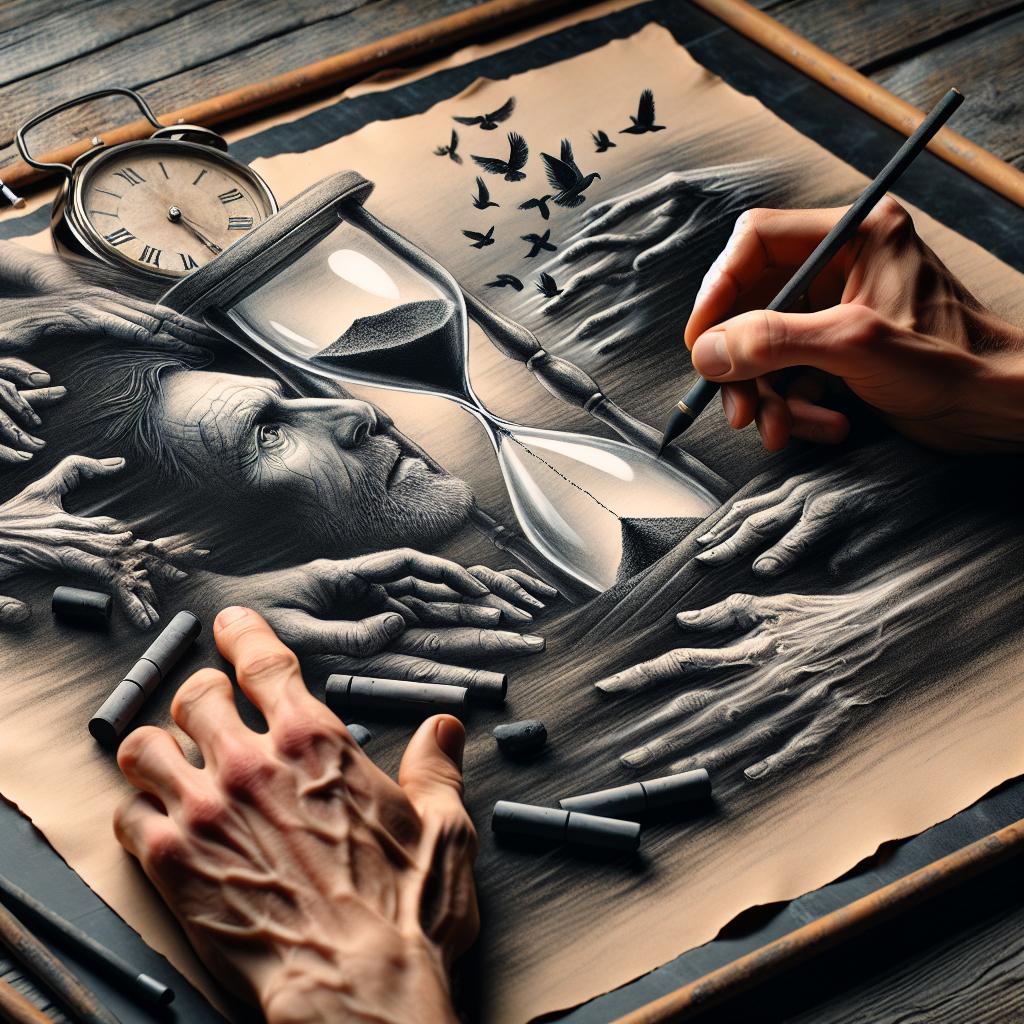
Charcoal drawings are a mesmerizing blend of artistry and expression, capturing emotions with every stroke of the hand. However, preserving your charcoal drawing with these proven methods is essential to ensure your masterpiece remains vibrant and intact for years to come. In a world where fleeting moments and temporary impressions dominate, safeguarding your artwork is not just a necessity but a way to honor your creative journey. Join us as we explore effective techniques to protect your charcoal creations, allowing your vision to shine through—unfaded and untouched by time
Charcoal drawings have this magical ability to draw you in, like a cozy café on a rainy day where stories unfold with every sip of coffee. The rich, dark tones and intricate textures can evoke feelings that are both deep and profound, captivating the viewer’s attention in an almost hypnotic way. But, as enchanting as they are, these creations can be as delicate as a sigh. Without the proper care, your beautiful charcoal sketches could smudge, fade, or assume the dubious honor of looking like a well-meaning toddler’s finger painting. So, let’s dive into how you can keep your artistic endeavors looking as fresh as the day they were born.
Understanding the Nature of Charcoal
Before we get into the nitty-gritty of preservation techniques, it’s essential to understand what you’re working with. Charcoal is fundamentally different from other medium drawings, like pencil or ink. Think of it as a diva; it needs its pampering! The beauty of charcoal lies in its softness and rich, dark hues, but that also makes it prone to smudging. So, think of preservation methods as your drawing’s bodyguards, shielding it from potential harm.
To make sure your masterpiece ages gracefully, consider these protective measures:
- Use a Fixative: One of the best options to lock in your artwork is using a spray fixative. This clear coating protects your drawing from smudging while keeping the vibrant contrast intact. Just remember to do it in a well-ventilated area; you don’t want to end up with a high toke-induced inspiration session while trying to protect your art.
- Avoid Handling: Try to resist the urge to showcase your charcoal drawings like trophies. Whenever possible, handle them by the edges, and make sure to wash your hands before touching the artwork. The natural oils from your skin can be as harmful as spilling wine on a white tablecloth—it’s catastrophic!
Displaying Your Artwork Safely
Once you’ve finished your drawing and given it a protective coat, displaying it properly is your next crucial step. Everyone loves a good gallery wall, but let’s ensure your artwork doesn’t spend its life in a sunbaked corner, fading faster than trends in a fast-food joint.
- Choose the Right Frame: Opt for glass that’s UV-protected. Think of it as sunscreen for your artwork! This will shield your charcoal drawing from harmful light exposure, which can disrupt its original hues and depth.
- Avoid Humidity: Charcoal has a penchant for fluffing up during humid conditions. If you live in a swamp or a rainforest, consider putting your artwork in a climate-controlled environment. A simple dehumidifier can work wonders and save your drawing from being a victim of warped paper.
Storage Options
When it comes to storing your charcoal drawings, think of your art like a fine wine—better careful with it! Storing your creations properly is essential to maintain their integrity over time.
Here are some handy storage tips:
| Tip | Description |
|——————|————————————————————-|
| Use a Portfolio | Invest in an acid-free art portfolio to prevent accidental damage. |
| Flat Storage | Store your drawings flat, avoiding stacking them in a way that could create pressure marks.|
| Dedicating a Drawer | Designate a cool, dry drawer for your art. Just ensure it’s away from any ‘art project’ chaos. |
It’s like setting aside that special piece of cake you promised to save for later—ensure it remains untouched until you’re ready to enjoy it again!
Keeping your charcoal drawings vibrant and intact is not just about preserving the art; it’s about honoring the hours of creativity and passion poured into each stroke. With a little love and the right techniques, your masterpieces can span the years just like a good vinyl record plays on through generations—rich, full of life, and as enjoyable as the day they were created.
Q&A
How can I effectively fix and set my charcoal drawing?
To fix and set your charcoal drawing, fixatives are an essential tool. A fixative is a spray designed to help maintain the integrity of charcoal during handling and display. The application of fixative is primarily intended to reduce smudging and fading, making it a vital step in preserving your artwork. When using a fixative, it’s crucial to choose between natural or workable types. Natural fixatives, often made with gum arabic or resin, are less toxic and allow for further changes to the drawing, while workable fixatives create a barrier that allows you to add additional charcoal.
When applying the fixative, ensure you do so in a well-ventilated area. Hold the can about 12 inches away from the surface and spray in light, even coats. Multiple thin layers are better than one thick layer, as this prevents pooling and ensures even coverage. Depending on the brand and the humidity level, drying time can vary significantly, so be patient and allow your artwork to dry completely before touching or framing it.
Another tip for fixing is to test the fixative on a scrap piece of paper before applying it to your actual artwork. This test run helps you gauge the effect on the charcoal without risking your finished piece. Remember to always follow the manufacturer’s instructions for the best results, as this ensures that you’re using the product safely and effectively.
What are the best methods for protecting a charcoal drawing from smudging?
To protect your charcoal drawing from smudging, there are several proactive measures you can take. First and foremost, use a protective cover whenever you’re handling or displaying your finished work. This can include using interleaving sheets of glassine or acetate paper, which are known for their smooth surfaces that prevent contact with the charcoal. A frame with a matted glass cover not only enhances visual appeal but also serves as a formidable barrier against dust and oils from fingers.
Additionally, consider the placement of your drawing. Avoid displaying it in high-traffic areas where accidental contact is likely. Instead, opt for a designated space that reduces the chance of unintentional smudging. Furthermore, avoid leaning your artwork against surfaces or stacking it with other items until you are sure it’s fully fixed and dried.
Investing in archival-quality storage solutions can further protect your artwork. Using acid-free materials, such as folders or portfolios, can guard against the acids in typical paper products that may cause degradation over time. Keeping your artwork in a dark, dry environment away from direct sunlight can also go a long way in preventing fading, ensuring your charcoal drawing remains vibrant for years to come.
What should I consider when framing my charcoal drawing?
When framing a charcoal drawing, there are several important factors to keep in mind to ensure its longevity. Glass vs. Acrylic is often the first consideration; while glass provides clarity and durability, acrylic is lighter and less prone to breaking. However, it can scratch more easily, so weigh the pros and cons based on the intended display location and how much protection your artwork needs.
Another critical factor is the use of acid-free mats and mounts. Since charcoal can interact unfavorably with acidic materials, choosing acid-free options will greatly extend the life of your work. Mats also serve to create a visual buffer between the drawing and the glass, minimizing the risk of the charcoal contacting the surface, which can lead to smudging or transfer.
consider the frame’s style and material. Select a frame that complements your artwork without overshadowing it; simple wooden or metal frames often work best. Additionally, ensure that your artwork is mounted securely to prevent shifting. This not only helps maintain the integrity of the artwork but also keeps it visually appealing over time.
How can environmental factors affect the preservation of charcoal drawings?
Environmental factors play a significant role in the preservation of charcoal drawings. Humidity is perhaps the most critical factor; it can cause the charcoal to absorb moisture from the air, leading to potential smudging and deterioration of both the drawing and the paper. Ideally, charcoal artworks should be kept in a relative humidity range of 40-60% to minimize these risks. In areas with higher humidity, using a dehumidifier can help maintain a stable environment.
Temperature fluctuations also pose a threat. Extreme temperature changes can cause the paper to expand and contract, potentially leading to warping or structural damage over time. Therefore, it’s beneficial to store and display drawings in climate-controlled environments, away from heating and cooling vents, which can create uneven temperature distributions.
Lastly, lighting plays a crucial role in protecting your artwork. Direct sunlight can fade even the most vibrant charcoal drawings, so displaying them in areas with indirect natural light or using UV-filtering glass in frames can be protective measures. By carefully managing these environmental factors, you can significantly improve the lifespan and visual quality of your charcoal artworks.
What are some common mistakes to avoid when preserving charcoal drawings?
When it comes to preserving charcoal drawings, avoiding a few common mistakes can make a significant difference in their longevity. One prevalent mistake is neglecting the use of fixatives. Many artists assume their work is safe and complete after finishing. However, without applying a suitable fixative, drawings remain susceptible to smudging and degradation over time. Always prioritize this step, as it provides a protective barrier against both physical and environmental elements.
Another mistake involves inappropriate handling and storage practices. Do not stack or lean your drawings against each other without protective materials such as glassine sheets or acid-free interleaving paper; doing so can cause pressure and transfer of charcoal marks. Additionally, avoid using regular frames or unprotected display methods that can lead to exposure to dust or humidity.
Lastly, be cautious about cleaning your artwork. Using ordinary cleaning materials or methods, like wiping with a damp cloth, can inadvertently smear or damage the charcoal. Instead, consider avoiding direct cleaning and understand that prevention through proper framing and storage is often the most effective approach. By steering clear of these common pitfalls, you can maintain the beauty and integrity of your charcoal drawings for years to come.
What is the role of archival materials in preserving charcoal drawings?
Archival materials play a pivotal role in the preservation of charcoal drawings by safeguarding against environmental damage, deterioration, and chemical reactions that can adversely affect artwork. When selecting materials such as paper, frames, and storage solutions, it is paramount to choose acid-free options. Non-archival materials often contain acids that can cause discoloration, fading, and degradation over time, threatening the longevity of your artwork.
For instance, when storing your charcoal drawings, opting for archival-quality folders and portfolios helps insulate them from ambient pollutants and humidity-related damage. These materials are designed to be chemically stable, meaning they won’t emit harmful substances that could interact negatively with your artwork. Archival quality also means that they are typically sturdier and less likely to tear or degrade over time, providing a more reliable protective barrier.
Moreover, using museum-quality glass or UV-filtering acrylic when framing enhances the protective envelope surrounding your artwork. This type of glass blocks harmful UV rays from sunlight, reducing the risk of color fading and paper deterioration. Therefore, not only do archival materials help address immediate preservation concerns, but they also contribute significantly to the long-term health and aesthetic quality of charcoal drawings, ensuring that they remain visually striking for generations to come.
Key Takeaways
by mastering the techniques outlined in “Preserve Your Charcoal Drawing with These Proven Methods,” you can ensure that your artwork not only stands the test of time but also retains its vibrant depth and character. Whether you choose fixatives, protective sprays, or simply the best storage solutions, these simple yet effective strategies can make a world of difference.
In a time when digital art often steals the spotlight, let’s not forget the unique charm of charcoal. After all, it’s not just a drawing; it’s a piece of your creativity, waiting to inspire others. So, go ahead and implement these methods, and your artwork won’t just be preserved—it’ll be celebrated for generations to come! And remember, while charcoal may be fleeting, your passion for preserving it should be anything but! Keep creating, keep preserving, and may your drawings outlast the trends!
Get our latest guides, news, and insights highlighted in your Google Search & AI Overviews.