


Tattoos are more than just ink on skin; they’re a form of self-expression, a canvas of personal stories, and a testament to our journey. However, to keep your body art looking vibrant and fresh, touching up tattoos regularly is essential. So, how often is necessary for best results? In this article, we’ll explore the ins and outs of tattoo maintenance, empowering you with the knowledge to keep your artwork in perfect condition for years to come. Whether you’re a tattoo veteran or considering your first piece, understanding the touch-up process is key to preserving your artistic expression.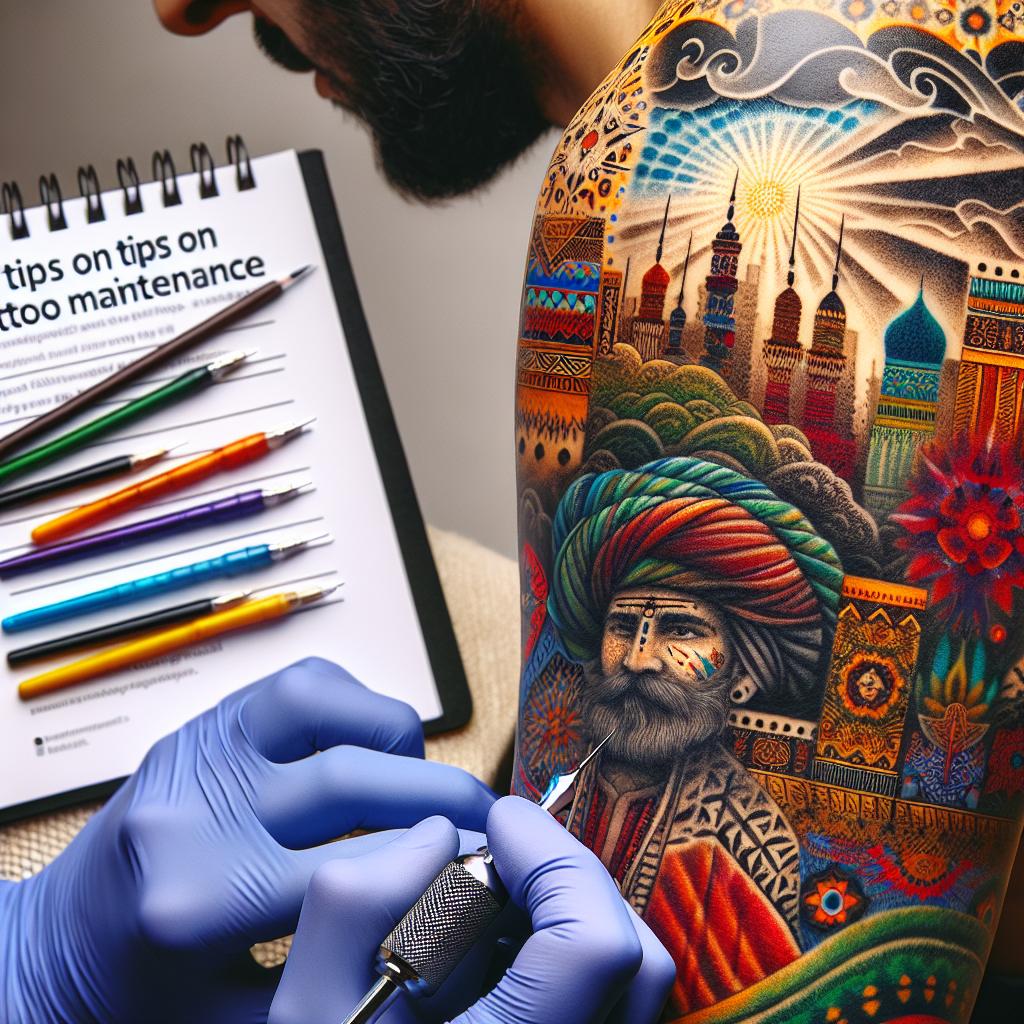 theyre personal stories, artistic expressions, and sometimes even a badge of honor. But to keep those vibrantly colored canvases looking fresh, touching up tattoos regularly is essential. So, how often is necessary for best results? In this article, well explore the factors that influence tattoo maintenance, providing you with the expert insights you need to ensure your ink stays as stunning as the day it was done. Whether you’re a tattoo enthusiast or considering your first piece, understanding the art of touch-ups can greatly enhance the longevity and beauty of your artwork”>
Tattoos are more than just ink on skin; theyre personal stories, artistic expressions, and sometimes even a badge of honor. But to keep those vibrantly colored canvases looking fresh, touching up tattoos regularly is essential. So, how often is necessary for best results? In this article, well explore the factors that influence tattoo maintenance, providing you with the expert insights you need to ensure your ink stays as stunning as the day it was done. Whether you’re a tattoo enthusiast or considering your first piece, understanding the art of touch-ups can greatly enhance the longevity and beauty of your artwork
Tattoos often hold deep personal significance, blending art and memory into a single breathtaking image. But just like your favorite pair of sneakers that need a good polish every so often, your skin art also requires some upkeep to maintain its luster. Underestimating the need for regular touch-ups can lead to faded colors and blurry outlines—or worse, a tattoo that looks like it survived a major brawl. The frequency of touch-ups can vary widely, hinging on several factors like skin type, tattoo location, and the colors used.
Factors Influencing Tattoo Maintenance
There are a few key players in the world of tattoo longevity that you should be aware of. Here’s a quick rundown:
- Skin Type: Oily skin tends to retain ink better, while dry skin can cause quicker fading. Know your skin!
- Sun Exposure: Consistent sun exposure can make your tattoo look more like a watercolor painting than a masterpiece. If you’re beach-bound or a sunbather, you should be applying sunscreen like it’s going out of style.
- Color Usage: Certain colors can fade faster; for example, yellows and whites often need more frequent touch-ups when compared to robust blacks and vibrant reds.
- Location on the Body: Tattoos on areas that experience friction (like the hands, feet, or inner thighs) tend to wear out quicker than those on more sheltered spots.
How Often Should You Touch Up?
While there’s no hard and fast rule for when to schedule that appointment for a touch-up, aiming for every 1 to 3 years is generally a solid starting point for many ink enthusiasts. That said, keeping an eye on the condition of your tattoos guarantees you’ll catch fading before it turns into a full-fledged crisis.
It might be wise to note that it’s better to address small fading issues promptly than to wait until your tattoo resembles a ghost of its former self. For those vibrant pieces or intricate designs, you might find yourself at the tattoo parlor more regularly—almost like visiting an old friend.
Practical Tips for Maintaining Your Ink
Ensuring your tattoos maintain their dazzling appeal isn’t rocket science; a little TLC goes a long way. Here are some tips to keep that ink looking fresh:
| Tip | Explanation |
|—————————–|———————————————————-|
| Moisturize Regularly | Keep your skin hydrated to help maintain ink vibrancy. |
| Use Sunscreen | Protect against UV rays — a key element in fading. |
| Stay Hydrated | Hydrated skin means better ink retention. |
| Avoid Hot Showers | Excessive heat can dry out your skin, affecting ink. |
Just remember, as with any form of art, it’s all about finding what works best for you and your unique body canvas. Whether you adopt a “once-a-year” touch-up philosophy or treat your ink like royalty, it all boils down to what makes you feel most comfortable in your skin. So put on that sunscreen and get ready to show off your beautifully maintained masterpieces!
Frequently asked questions
How do I know when my tattoo needs a touch-up?
Identifying when a tattoo requires a touch-up can sometimes be straightforward, but it may also depend on various factors, including the type of ink used, the tattoo’s location on your body, and individual skin characteristics. Generally, look for signs like fading, uneven coloration, or loss of detail in your tattoo. Faded colors are often the most evident; if your once vibrant tattoo looks muted or washed out, it’s likely time for a refresh.
Additionally, consider your tattoo’s location. Areas that experience more friction—like the inner arms or the sides of your ribcage—might wear down faster due to skin regeneration and movement. If you notice any scarring or blowout (ink spreading out of the original lines), these could also signal the need for professional guidance. It’s recommended that you evaluate your tattoo every year or so, especially if it’s been a while since you first had it done.
How often should I touch up my tattoos?
The frequency of touch-ups largely depends on the tattoo’s design and the individual’s skin type. Typically, you might expect to touch up a tattoo every 3 to 5 years, although some people may require touch-ups sooner. For example, vivid colors, particularly reds and yellows, tend to fade faster than dark colors like blacks and blues. Skin type also plays a vital role—oily skin, for instance, might cause the ink to fade more quickly, requiring more frequent touch-ups.
Factors such as sun exposure, lifestyle habits (like swimming or outdoor activities), and even age can affect how your skin holds pigment over time. For instance, someone with a more active lifestyle might need touch-ups more often because of potential fading caused by sweat and exfoliation. Regular moisturization and using sunscreen on your tattooed areas can help extend the life of your ink, reducing the need for touch-ups.
What can I do to prevent my tattoo from fading?
Preventing tattoo fading starts with proper aftercare, particularly within the first few weeks post-tattooing. Always follow your tattoo artist’s aftercare instructions, which typically include keeping the tattoo clean and moisturized. Once healed, applying a high-SPF sunscreen whenever you are exposed to sunlight is crucial. UV rays are one of the leading causes of ink fading.
Additionally, consider investing in special tattoo ointments or moisturizers formulated to protect tattooed skin. Staying hydrated—drinking plenty of water—can also enhance your skin’s elasticity, potentially holding pigments better over time. It’s also important to avoid soaking in hot tubs or swimming pools for extended periods during the healing process, as these activities can disrupt the ink’s absorption.
Are touch-up sessions painful?
Touch-up sessions are often less painful than the initial tattoo application, but this can vary based on several factors. After your tattoo has completely healed, the area tends to have a higher tolerance for pain. People describe the sensation during a touch-up as being similar to a light scratching rather than the original, more intense painful sensation of the initial tattooing. The tattoo artist may take pains to ease discomfort by using a numbing cream before starting.
Certain factors, like the new work being done on areas that had previously been more painful, can affect how much discomfort you’ll feel. For instance, getting a touch-up over areas with lots of nerves might still cause mild discomfort. though, pain tolerance varies among individuals, so while some might find touch-ups a breeze, others may feel it more.
Should I go to the same artist for a touch-up?
Visiting the same artist for touch-ups is often recommended, especially if you were satisfied with their original work. This consistency helps in maintaining the integrity and style of your tattoo; your original artist will already be familiar with the design and your skin type, making them better equipped for the job. They can match colors and styles more accurately, preserving the tattoo’s overall appearance.
If your original artist is unavailable, choose someone whose portfolio aligns with your tattoo’s style. Look for before-and-after images to evaluate their touch-up work’s quality. It’s also important to communicate any specific concerns or desires you have about the touch-up with the new artist to ensure the best possible outcome. Always prioritize someone with strong reviews or recommendations to help maintain the quality of your tattoo.
How can I care for my tattoo between touch-ups?
Caring for your tattoo between touch-ups is essential to help it last longer and minimize fading. Start with a good skincare routine that includes moisturizing the tattooed area daily. Keeping your skin hydrated helps to maintain the ink’s vibrancy. Use unscented lotions or those specifically designed for tattoo care to avoid potential irritation.
Additionally, protect your tattoo from potential damage by wearing long sleeves or applying sunscreen before sun exposure. It’s also wise to avoid harsh scrubbing or exfoliating on the tattooed area, as this can strip away the ink over time. Regularly inspecting your tattoo for any signs of fading or damage will let you know when it’s time to consult your artist about a touch-up. Regular care not only enhances your tattoo’s longevity but also keeps your skin healthy and vibrant.
Insights and Conclusions
when it comes to “Touching Up Tattoos Regularly: How Often Is Necessary for Best Results,” the key takeaway is to balance personal preference with professional advice. Remember, your tattoo is a canvas that deserves the same care and attention as any other art form. Experts generally recommend a touch-up every 5 to 10 years, depending on factors like location, ink quality, and sun exposure—but if your tattoo starts looking like it’s been through a watercolor class gone wrong, don’t hesitate to seek a touch-up sooner!
Let’s face it: investing time in maintaining your tattoo keeps your skin story vibrant and your self-expression alive. Whether it’s a minor retouch or a comprehensive refresh, knowledge is your best tool. So, keep an eye on your ink, embrace the renewal process, and enjoy every moment of sporting your personalized masterpiece. After all, a well-maintained tattoo can be the difference between a proud display and a faded memory. Now go forth, and let your ink shine as brightly as your passion!
Get our latest guides, news, and insights highlighted in your Google Search & AI Overviews.


